
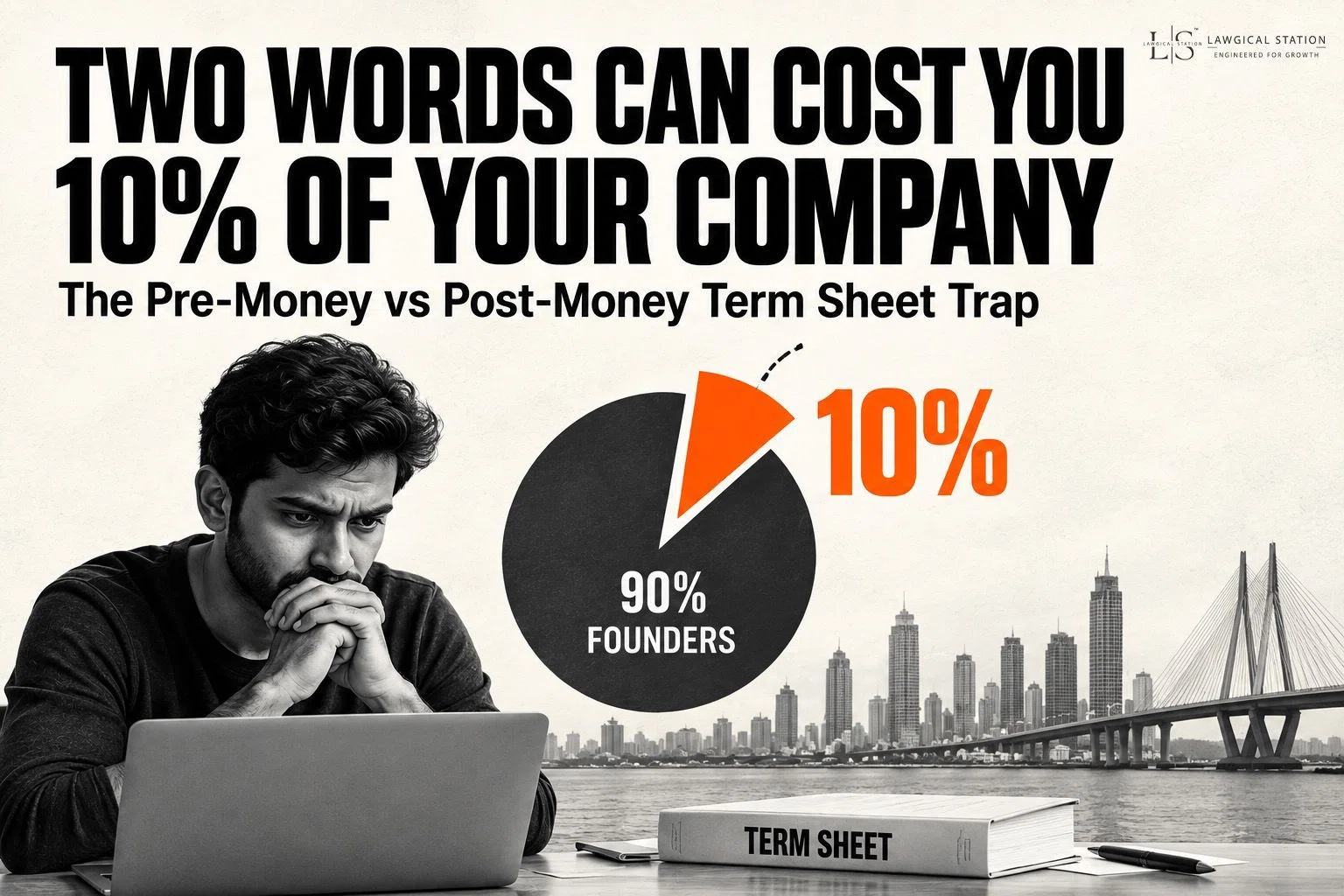
Two founders raise the same amount, at the same valuation, from the same investor. Five years later one owns 10% more of their company. The difference was a single phrase in the term sheet — and it's usually buried on page four.
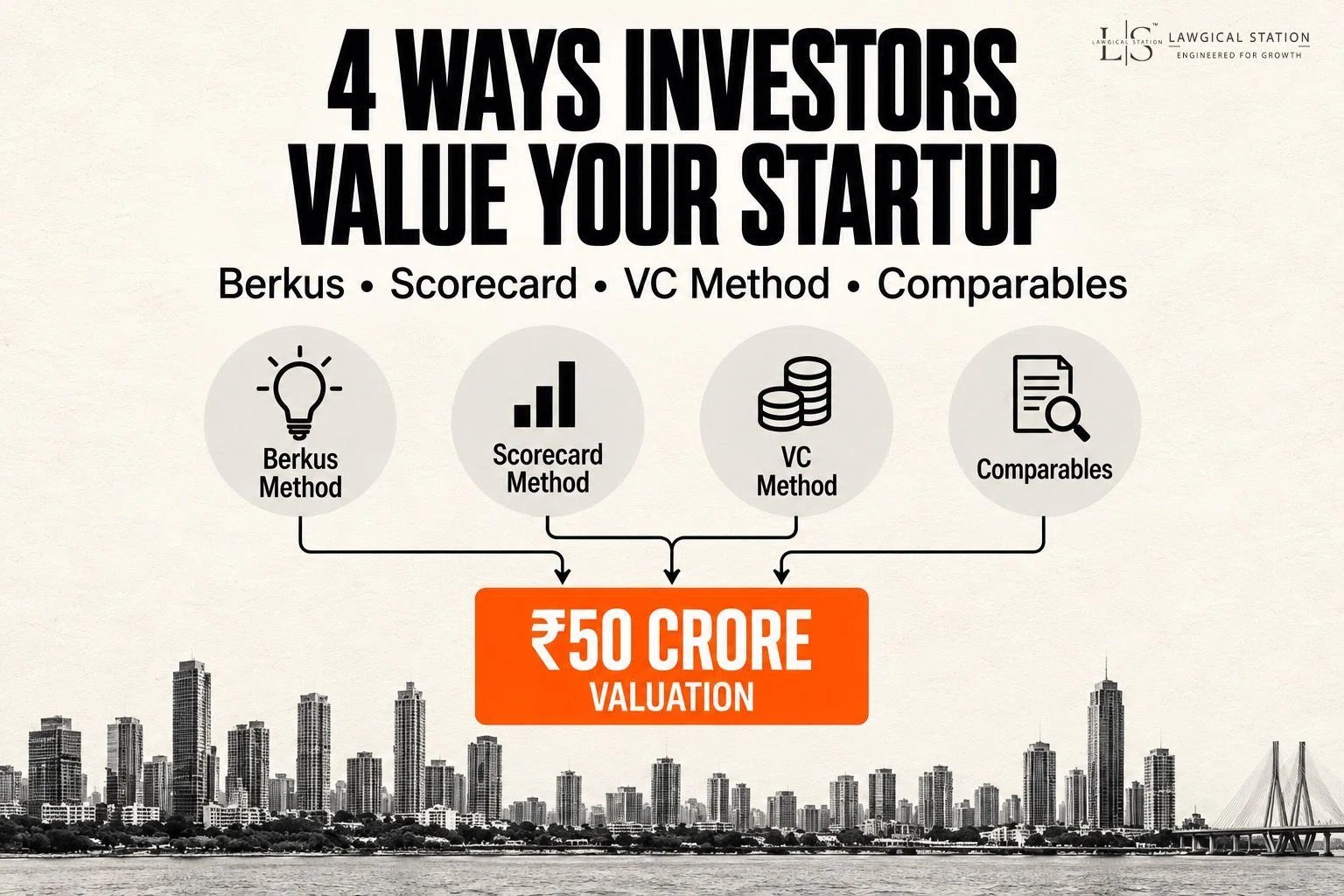
You and your investor can agree on ₹12 crore. That doesn't make ₹12 crore legally valid. Here are the four methods Indian investors actually use — with 2026 benchmarks — and the statutory valuation rules most founders discover too late.

Section 80-IAC (now Section 140) gives startups 3 years of 100% tax deduction. But one irrevocable form, filed in a loss year, can cancel it forever. Here's how to claim it — and how not to lose it.
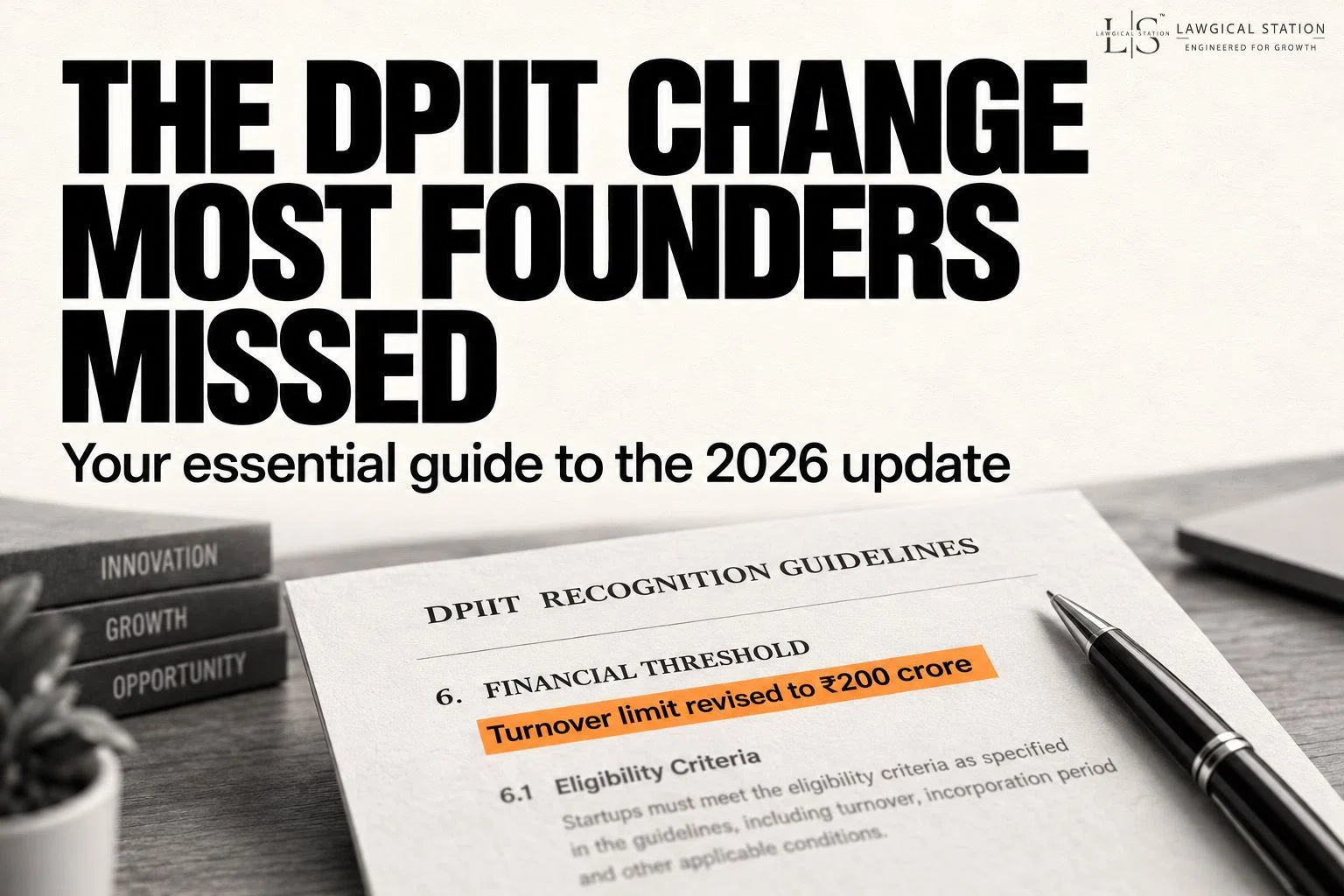
DPIIT recognition is free, takes about 3 working days, and unlocks ₹200 crore of benefits most founders never claim. Here's what actually changed in 2026 — and why so many applications still get rejected.
Learn the 25 essential startup terms every founder should know, from bootstrapping, burn rate, and runway to PMF, dilution, ESOPs, and pivots — explained in plain English with Indian examples.

SEBI's new Regulation 9A changes the rules for founder ESOPs ahead of an IPO. Learn how the one-year timeline works, which options survive promoter classification and what companies need to check before filing the DRHP.