Nine Nights, One Budget: What Garba Really Costs and Who Gets Paid
Discover how Navratri spending adds up, who earns from Garba, and how GST on passes can change the price. Practical budgeting and tax pointers for families, event organisers and festival businesses.
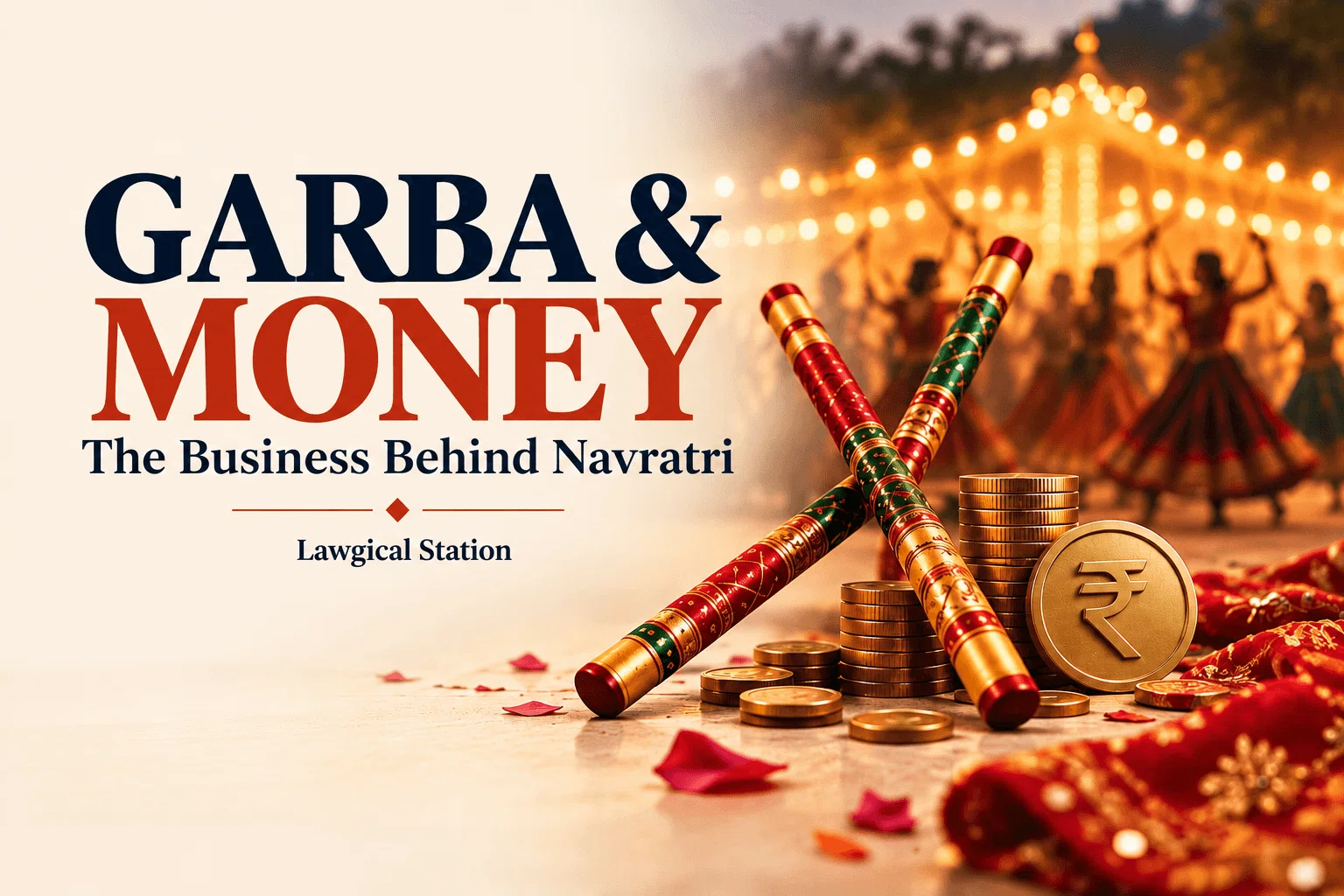
Somewhere in Ahmedabad tonight, a tailor is stitching the last choli of the day, a dhol player is warming up, and a college student is checking whether the pass price is ₹499 or ₹501. Only one of them knows that the ₹2 gap changes the tax.
Navratri began on 11 October. Ashtami falls on 18 October, Navami on 19 October, and Dussehra on 20 October (Business Today, citing Drik Panchang). This weekend is the heart of it. It is also the weekend when most wallets feel it.
The festival that runs on a budget
Garba looks like pure joy. Behind the joy, there is a quiet spreadsheet in every household.
For Ahmedabad alone, one trade estimate puts Navratri business at about ₹700 crore this year (Gujarat Samachar English, 11 Oct 2026). The same report notes these are market estimates, not audited accounts, and that the listed items add up to ₹676 crore.
Here is where that money goes:
- Chaniya choli and kediya: ₹250 crore, about 36% of the total.
- Garba passes: ₹105 crore.
- Food and drinks: ₹95 crore.
- Prasad, puja items and flowers: ₹80 crore.
- Transport: ₹60 crore.
- Stage, decoration and lighting: ₹40 crore.
- Jewellery: ₹30 crore.
- Makeup: ₹10 crore.
- Clay pots and lamps: ₹6 crore.
What it tells you: more than half the spend is what we wear and the ticket to walk in. The rest is food, travel and setup. Most of it ends up with small traders, not big companies.
You may also have seen bigger national numbers online, such as ₹15,000 crore or $2 billion. I looked for a source and could not find one, so I am not repeating them. If a post quotes them without a named source, treat it as a headline, not a fact.
Why a ₹2 gap can matter to an organiser
If you run a Garba night, you are also running a small business. The tax rule is simple but sharp (TaxGuru):
- Entry up to ₹500 per person is exempt as a folk dance event.
- Above ₹500, 18% GST applies on the whole ticket, not just the extra.
Look at what that means for the guest:
- A ₹499 pass costs ₹499.
- A ₹501 pass, with GST added, costs about ₹591.
For a night with 5,000 guests, that is roughly ₹4.6 lakh of tax in one evening. That is my arithmetic, not a figure from the source.
Things organisers often miss:
- Each night's pass is tested separately.
- Food, VIP access, merchandise and parking should be priced separately, not bundled.
- Food sold by the organiser is taxed at 5% without input credit.
- Stall fees carry 18%.
- Sponsorship is generally taxable, and reverse charge can apply.
- Payments to foreign artists generally attract reverse charge.
- A temporary venue may need casual registration before the first night, and the Composition Scheme is not available.
The practical lesson: fix your pass price, registration and agreements before the first night, not after a notice.
The costume is a budget decision
Most of us do not think of a chaniya choli as a financial product. But for a family, it is often the biggest single line in the festival.
Here is a simple way to plan it:
- Set a cap first. Decide the total for outfits, passes, food and travel before shopping begins.
- Rent or reuse where you can. Rental shops are a big part of the season, and for items worn once or twice, renting often costs less than buying.
- Pay from savings, not credit. The festival lasts nine days. An EMI does not.
Here is why this matters. Imagine ₹30,000 spent on outfits, passes and travel and paid over 12 months at an assumed 15% reducing rate. That is about ₹2,708 a month, or roughly ₹2,494 in interest. That is my illustration, not a market figure. It is the price of nine nights, paid across a year.
The timing is also tight. Food inflation was 5.95% in August 2026, the FAO Food Price Index stood at 136 in September, and the RBI kept the repo rate at 5.50% on 7 October. Household budgets are already stretched before the festive bills arrive. The Finance Ministry's Monthly Economic Review has warned that high food inflation can squeeze non-food spending.
Who is really earning from Garba
Not just the organiser on stage. Think about the chain:
- The tailor and the garment trader, who earn from the biggest segment.
- The rental shop, which turns one outfit into many nights of income.
- The caterer and the street food seller.
- The auto driver and the cab operator who carry people home at midnight.
- The decorator, sound engineer and lighting crew.
- The artist, whose fee may carry GST or reverse charge depending on who is paid.
Brands also join in through sponsorships, stalls and on-ground activations. I did not find data on how much brands spend, but every route carries tax, so the agreement should say who bears GST and TDS before anyone signs.
My honest take
- The ₹700 crore figure is useful as a sense of scale. It is not a verified national total.
- The loudest numbers online are the ones with the least sourcing.
- The festival is not the financial risk. The risk is borrowing for it, or pricing a ticket without checking the tax.
- Small businesses earn the most. Small mistakes in tax or pricing hurt them the most.
Garba is meant to be joyful. The best way to protect that is a plan made before the dhol starts.
If you run events or sell into festivals
If you organise a Garba, dandiya or any ticketed event, or you supply vendors and sponsors, a short conversation before the season can save a long one after it. Registration, invoicing, sponsorship agreements and TDS are easier to set up than to repair. That is the kind of work Lawgical Station does with event organisers and festival businesses.
General information only, not tax or legal advice. Rules and rates can change.
FAQs
When is Navratri 2026, and when is the peak weekend?
Navratri began on 11 October. Ashtami is Sunday 18 October, Maha Navami is Monday 19 October and Dussehra is Tuesday 20 October (Business Today, citing Drik Panchang). Dates can shift slightly with local customs.
How much money is spent on Garba in India?
I could not find a verified national figure. For Ahmedabad, one trade estimate puts Navratri business at about ₹700 crore in 2026 (Gujarat Samachar English). It describes the numbers as market estimates, not audited accounts.
Is the ₹15,000 crore or $2 billion Garba figure correct?
I could not find a source for it. Use it only if the post quoting it names where it came from.
What do people spend the most on during Navratri?
Clothing. In the Ahmedabad estimate, chaniya choli and kediya account for ₹250 crore, about 36% of the ₹700 crore. Garba passes come next at ₹105 crore, then food and drinks at ₹95 crore.
Is GST charged on Garba passes?
Entry up to ₹500 per person is exempt. Above ₹500, 18% GST applies on the full ticket price, not only the extra amount (TaxGuru).
What happens if a pass is priced at ₹501?
GST of 18% applies to the whole amount, so a guest pays about ₹591. A ₹499 pass has no GST. That is my arithmetic from the rule above.
Do multi-day or season passes get the same ₹500 treatment?
Each day's pass should be tested separately against the ₹500 limit. TaxGuru says season passes need separate examination and gives no specific rate, so get advice before selling them.
Does a Garba organiser need GST registration?
A temporary event may need casual taxable person registration before it starts. The Composition Scheme is not available (TaxGuru).
Is sponsorship for a Garba event taxable?
Generally yes. Reverse charge may apply if the sponsor is a company or firm (TaxGuru). The agreement should say who bears GST and TDS.
Is TDS applicable on payments to artists and vendors?
TDS provisions apply under the Income-tax Act, 2025, which took effect on 1 April 2026. Older sections such as 194C and 194J are largely consolidated under Section 393 (TaxGuru). The source gives no rates, so confirm the rate for each payment type with your CA.
Should I rent or buy a chaniya choli?
For something worn once or twice, renting often costs less, though prices vary by city and design. Compare the rental price plus deposit against the purchase price before you decide.
Is it a good idea to take an EMI or loan for Navratri shopping?
Only if the instalments fit your monthly budget. As an illustration, ₹30,000 financed over 12 months at an assumed 15% reducing rate is about ₹2,708 a month, with roughly ₹2,494 in interest. Rates vary, so check your actual offer. This is general information, not personal advice.
How can small businesses make more from Navratri?
Plan stock before the season, consider rental models to reduce inventory risk, and confirm an organiser's GST status before invoicing. Those steps come from the tax rules above, not from a sourced growth study.
The Lawgical Station team brings together CAs, CSs and tax specialists with decades of combined experience advising founders, SMEs and professionals on tax, compliance and business structuring across India.